Last Voice on File: The Families Racing the Cloud to Save Old Voicemails
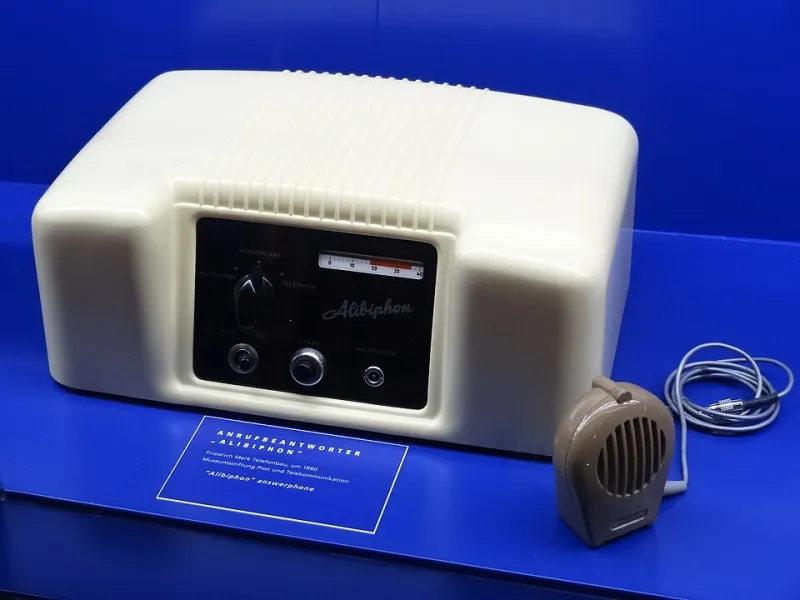
Photo: Cherubino, CC BY-SA 4.0, via Wikimedia Commons
The voicemail is eleven seconds long. A woman with a smoker’s laugh says, “It’s me. Don’t forget the thing on Saturday. Love you.” The recording is compressed, a little warped, and stored in a carrier’s voicemail system that has been warning the family for months that the mailbox is full.
For the daughter who saved it, the message is not data. It is the last proof that her mother existed in the present tense. And it is sitting in a system designed to treat it as clutter.
This is the voicemail graveyard: the soft, sad border between memory and storage. In 2026, a loose network of families, archivists, and small-time technicians is trying to rescue old messages before carriers erase them. The work is part technical, part emotional, and part ethical. It is also a perfect PeciaBK story: a signal from the past, buried in static, waiting for someone to hit record.
The 30-second ghost
Carriers do not promise forever. Voicemail retention policies vary, and many systems delete old messages after a set period or when a mailbox is inactive. When a phone number is disconnected or reassigned, the mailbox can go with it. The family may still be paying the bill for a late parent’s line, but that is not a permanent archive.
“People don’t realize the voicemail is not on the phone,” says a technician who runs a small digitization shop in Pennsylvania. “It’s on a server. The phone is just the speaker.”
That distinction matters. A saved voicemail may be a file on a carrier’s system, a notification on a phone, or both. Some phones download voicemails locally. Some stream them. Some visual voicemail apps hide the file in a proprietary format. The rescue mission starts with figuring out what you actually have.
Recording the recording
The methods are improvised and strangely intimate. One family played the voicemail through a speaker and recorded it with a handheld digital recorder. Another used a 3.5mm cable to run the phone’s headphone jack into a laptop’s microphone input. A third used screen recording on an iPhone while playing the message through the speaker, then trimmed the silence.
None of these are perfect. Speaker recordings pick up room noise. Cable recordings can clip. Screen recordings may compress the audio. But imperfect is better than gone.
Specialty services have appeared to help. Some digitization shops will take a phone, extract voicemail files, and return audio files on a drive. Some estate planners now include a “voice asset” line in their digital inventories. Some families hire an audio engineer to clean up the recording—remove the hiss, boost the voice, maybe isolate the words. The results can be eerie. A person who has been dead for years suddenly sounds close enough to answer.
The ethics of keeping a voice
Keeping a digital ghost raises questions that do not have clean answers. Did the person want their voice saved? Would they be embarrassed by the message? Who gets to listen? Should the recording be shared at a memorial, posted online, or kept in a drawer?
For some families, the voicemail is a private relic. For others, it is a gift to grandchildren who never met the person. For a few, it becomes something else: raw material for an AI voice clone. That last use makes people uneasy, and for good reason. A saved voicemail is a recording. A synthetic voice is a performance. The line between remembering and resurrecting is thin, and it is easy to cross without consent.
The archivists I spoke with recommend a few simple rules. Ask living relatives what they want. Label the files with names, dates, and context. Keep more than one backup. Do not upload a private message to a public platform without thinking about who will hear it. And do not let the pursuit of a perfect restoration overwrite the original file.
A small archive in a drawer
In a kitchen in Maryland, a woman keeps a labeled thumb drive in a fireproof box. On it are forty-one voicemails from her father: birthday calls, a message about a broken lawnmower, a two-minute ramble about a football game, and one final “Call me when you get this.” She has not listened to the last one in years. She knows it is there.
“It’s not him,” she says. “But it’s the closest thing to him that still moves.”
That is the strange promise of the voicemail rescue. The cloud is not a cemetery. It is a rental locker with a late fee. The families doing this work are not trying to defeat death. They are trying to hold onto a signal—a voice, a laugh, a pause—before the carrier sends it back into the static.
At PeciaBK, we usually write about the people who archive the internet’s forgotten corners. This is the same instinct turned inward. The message is short. The window is closing. Hit record.