Tuning Into the Void: The Unlicensed Broadcasters Keeping Pirate Radio Alive in 2024
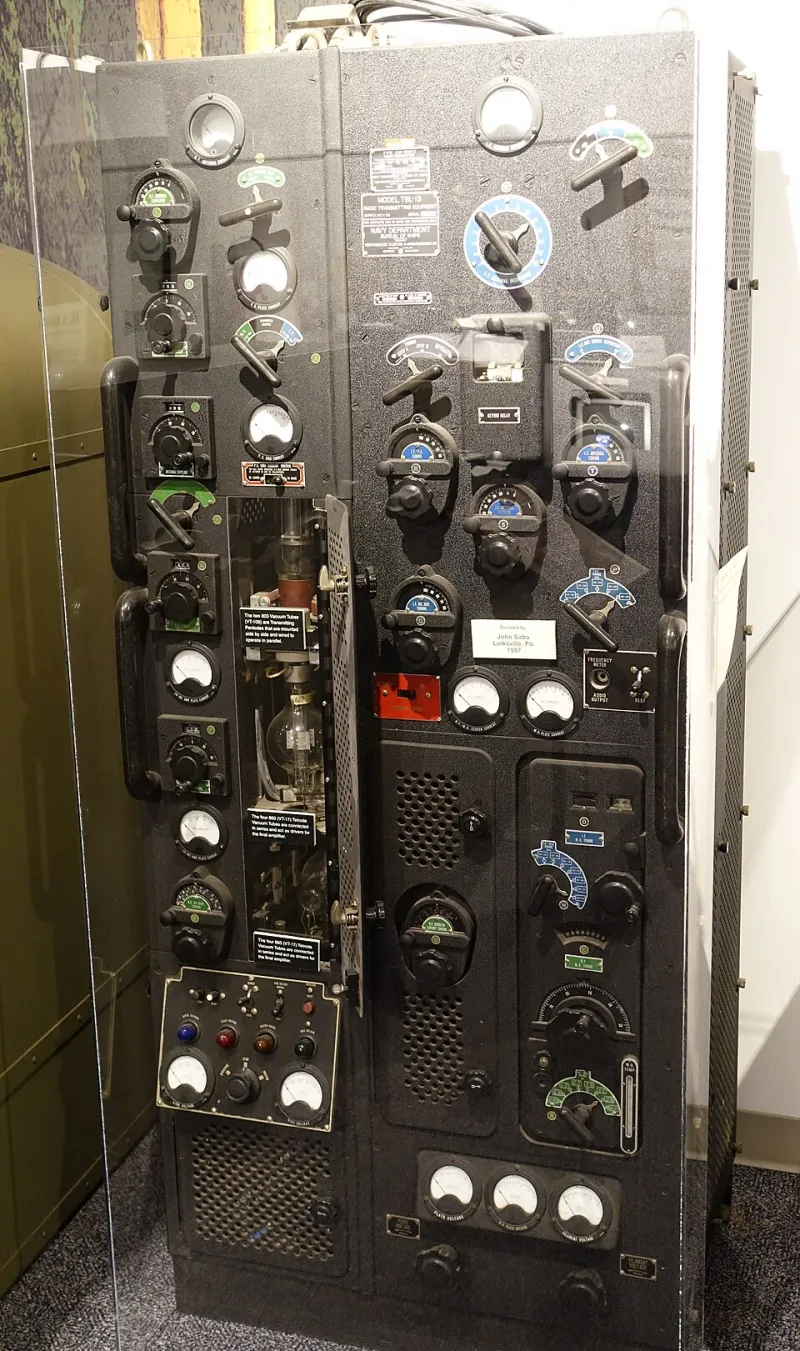
Photo: Daderot, CC0, via Wikimedia Commons
There's a frequency nobody's supposed to be using right now. Somewhere in that gray stretch of the AM dial — maybe 1620, maybe 1710, maybe a sliver of bandwidth that the FCC's allocation charts technically leave unoccupied — someone is talking. Or playing music. Or reading numbers. Or doing something stranger than either of those things.
This is pirate radio in 2024, and it's a lot weirder, more resilient, and more culturally loaded than most people realize.
The Myth of the Dead Signal
Every few years, a wave of enforcement actions makes headlines. The FCC issues fines. Transmitters get seized. Tech blogs write the obituary for unlicensed broadcasting, call it a relic of the pre-streaming era, and move on. And then, quietly, the signal comes back.
The operators who run these ghost channels — a term that's started circulating in hobbyist forums to describe long-running unlicensed stations that appear, disappear, and reappear on the same frequencies — have gotten genuinely good at staying invisible. Some rotate broadcast times. Others use low-wattage transmitters that barely carry past a few city blocks, making detection difficult without a dedicated sweep. A few have migrated entirely to the internet, running streams through servers hosted in jurisdictions where US broadcast law has zero teeth.
The technical ingenuity here is real. Operators will sometimes broadcast from moving vehicles, use directional antennas to minimize signal bleed, or time their transmissions around known FCC monitoring windows. It's cat-and-mouse work, and some of them have been playing the game for decades.
Why Bother? The Algorithmic Answer
Here's the question that comes up every time someone tries to explain modern pirate radio to a skeptic: why go to all this trouble when you can just start a podcast?
The answer, if you spend any time in these communities, is pretty consistent. Podcasts live inside platforms. Platforms have terms of service. Terms of service get enforced selectively, often in ways that disproportionately affect minority voices, politically marginal content, and anything that doesn't fit a monetizable demographic. Spotify can pull your show. Apple can de-list you. YouTube can demonetize you into irrelevance without ever explaining why.
A transmitter in a backpack doesn't have a terms of service.
This is the philosophical core of what keeps pirate radio breathing. It's not primarily about the technology — it's about the refusal to route your voice through someone else's infrastructure. In immigrant communities across cities like Miami, New York, and Los Angeles, unlicensed FM stations have historically served populations that commercial radio ignored entirely, broadcasting in languages and dialects that Clear Channel had no financial incentive to serve. That function hasn't disappeared. It's just gotten more complicated.
What's Actually Being Broadcast
The content landscape of contemporary pirate radio is genuinely eclectic in a way that's hard to capture without just listing examples. There are stations running deep-cut reggae and dancehall for Caribbean diaspora communities in the Bronx. There are AM operators in the rural Midwest broadcasting evangelical content that mainstream Christian radio considers too extreme. There are shortwave enthusiasts transmitting what sound like coded messages — numbers stations in the classic Cold War tradition, though whether they're genuine intelligence operations or elaborate hobbyist theater is legitimately unclear.
And then there's the internet radio side of things, which has quietly become the dominant form. Platforms like Zeno.fm and even raw Icecast streams let anyone broadcast without a license because, technically, they're not using the electromagnetic spectrum — they're using the internet. The FCC's jurisdiction gets murky fast. Some operators run hybrid setups: an internet stream that also gets rebroadcast over a low-power FM transmitter in a specific neighborhood, creating a kind of local node in a larger distributed network.
The content on these streams tends to be the kind of stuff that algorithms actively suppress: long-form political commentary without advertiser-friendly framing, music by artists who haven't signed to labels, community announcements for events that would never make it onto a local news ticker.
The Legal Reality (And Why It Doesn't Always Land as a Deterrent)
The FCC's enforcement posture on pirate radio has actually intensified over the past several years. The PIRATE Act of 2020 — yes, that's the real name — increased maximum fines to $100,000 per violation per day for unlicensed broadcasting, and it directed the agency to prioritize enforcement in the top 25 radio markets. Landlords who knowingly allow pirate stations to operate on their property can now be fined directly.
And yet.
The practical enforcement rate remains low relative to the number of active unlicensed operators. The FCC's field agent workforce has shrunk considerably over the years, and the agency's resources are spread across a lot of competing priorities. For operators running low-power setups in dense urban environments, the realistic risk of getting caught in any given broadcast window is, statistically, pretty manageable.
There's also a cultural calculation happening. In communities where institutional trust is low — and where the history of who gets to speak on licensed airwaves is a history of exclusion — the legal risk of pirate broadcasting can feel like an acceptable trade-off. This isn't recklessness. It's a considered position about whose rules are worth following.
The Signal Persists
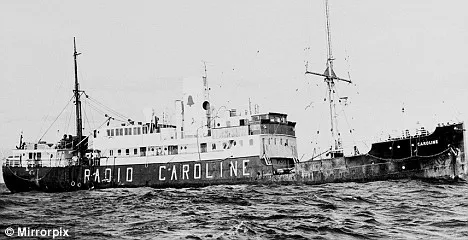
What's striking, when you look at pirate radio as a whole rather than individual busted operators, is how continuous it is. The technology has changed completely since the 1970s, when Radio Unnameable was coming out of WBAI and offshore stations were thumbing their nose at the FCC from international waters. The regulatory landscape has shifted. The cultural context is different. And yet the underlying impulse — find a gap in the authorized frequencies and put something human into it — hasn't moved an inch.
If anything, the rise of algorithmic content curation has given pirate radio a sharper political edge than it's had in years. When every mainstream platform is actively shaping what gets heard and what gets buried, an unlicensed transmitter starts to look less like a legal violation and more like a proof of concept. You can still talk to people without asking permission first.
Somewhere in the static, the signal is still there. You just have to know where to look.